St. Pete Innovation District unveils new master plan shaping future waterfront growth

St. Pete Innovation District unveils new master plan shaping future waterfront growth

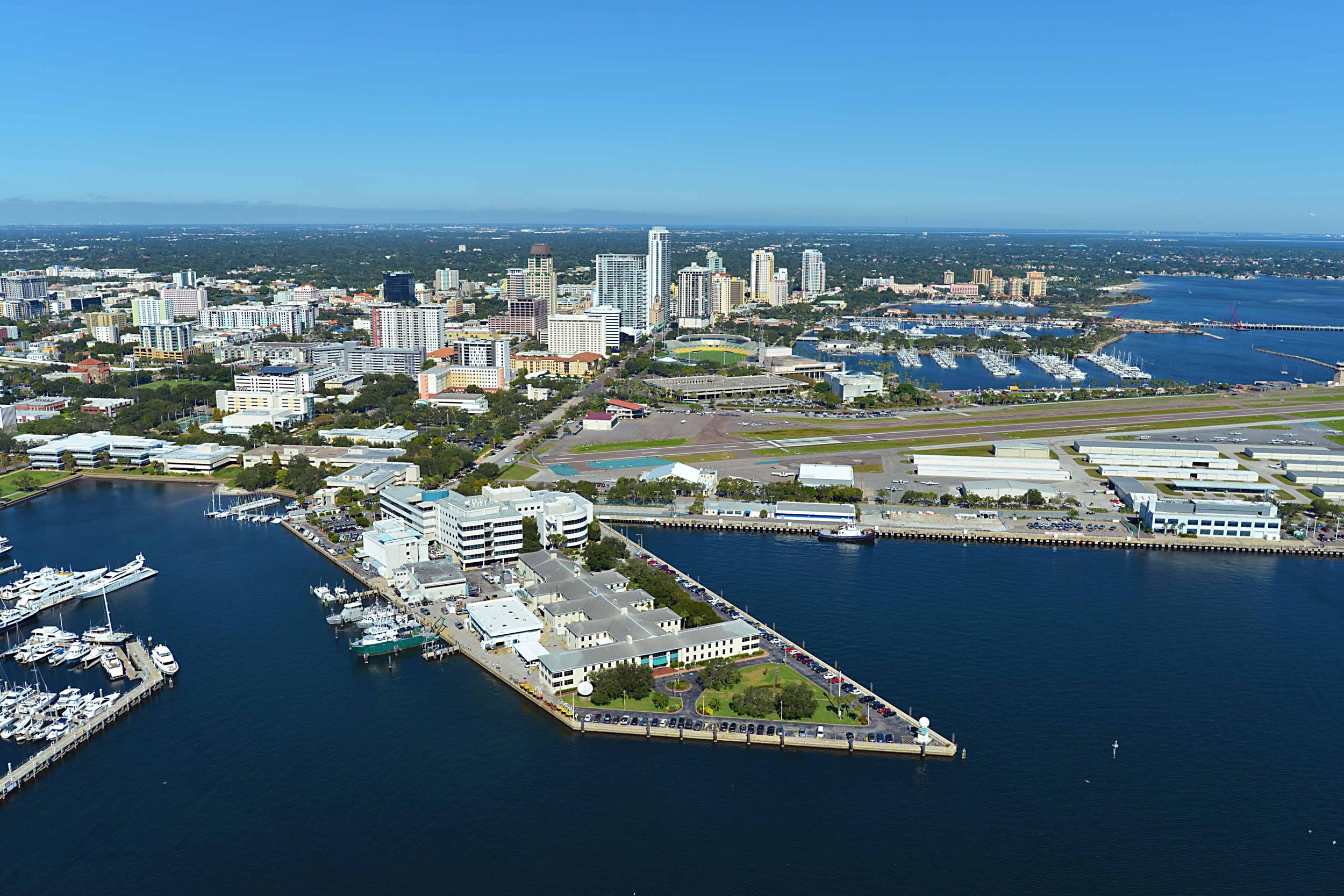
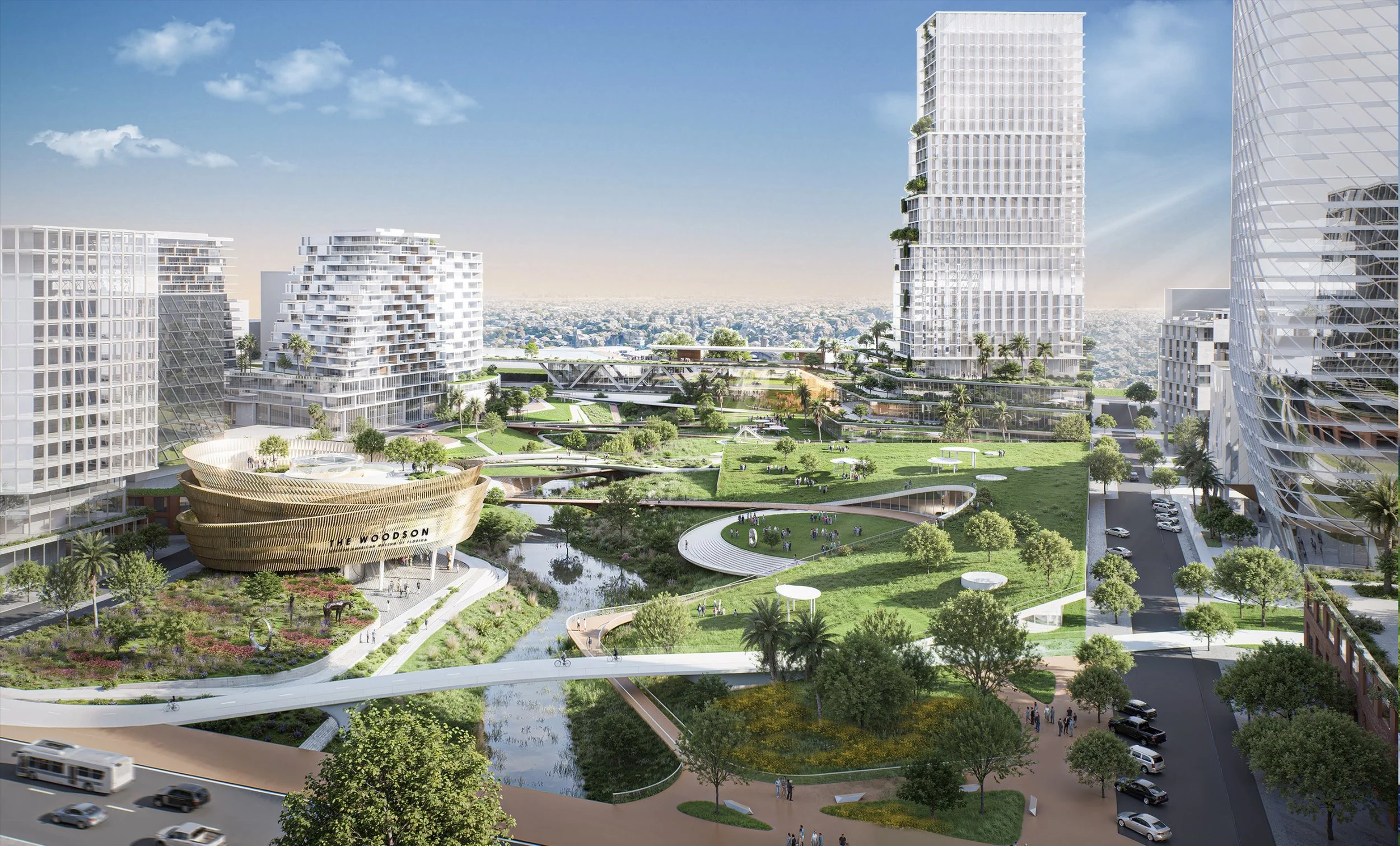
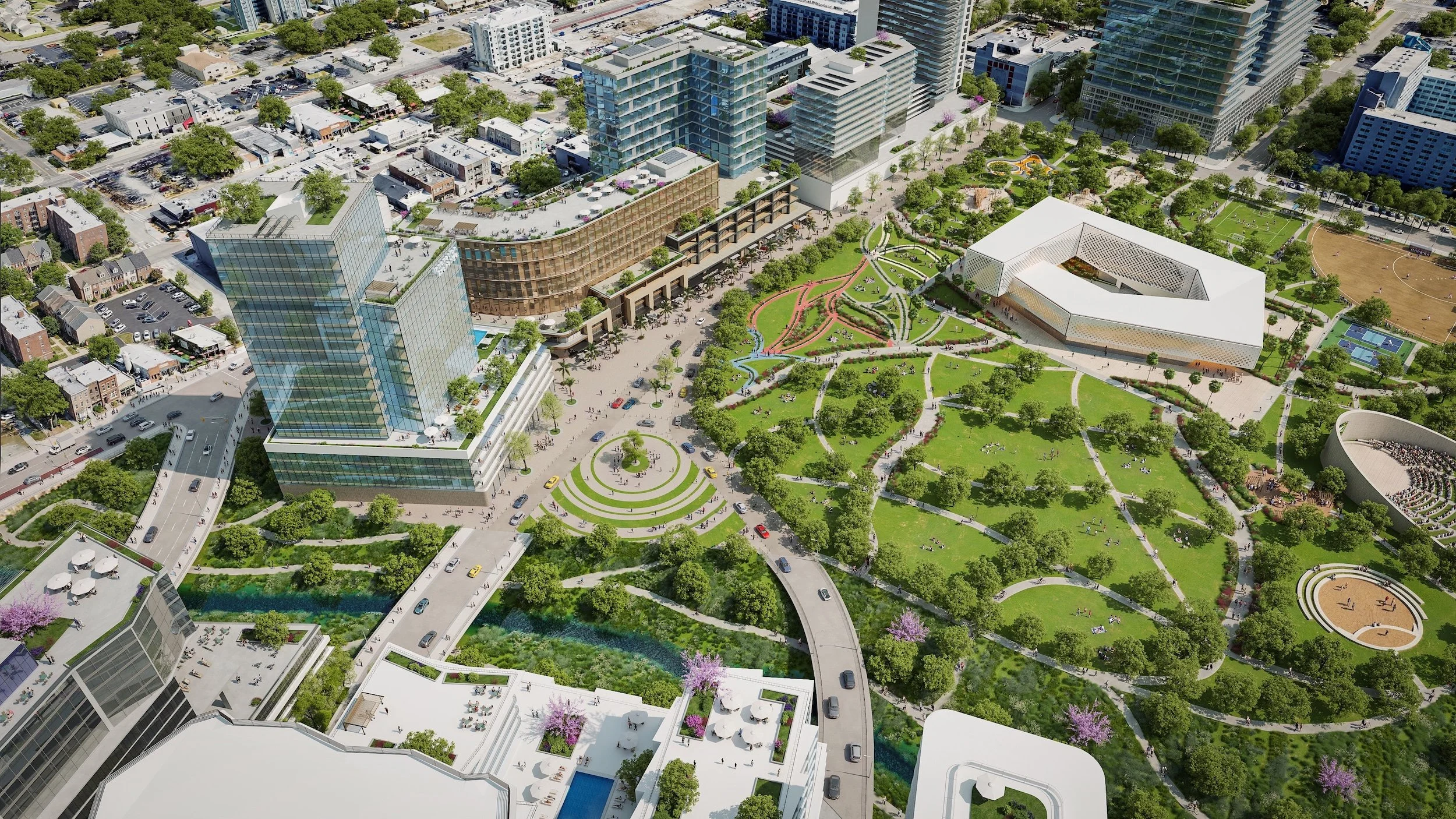
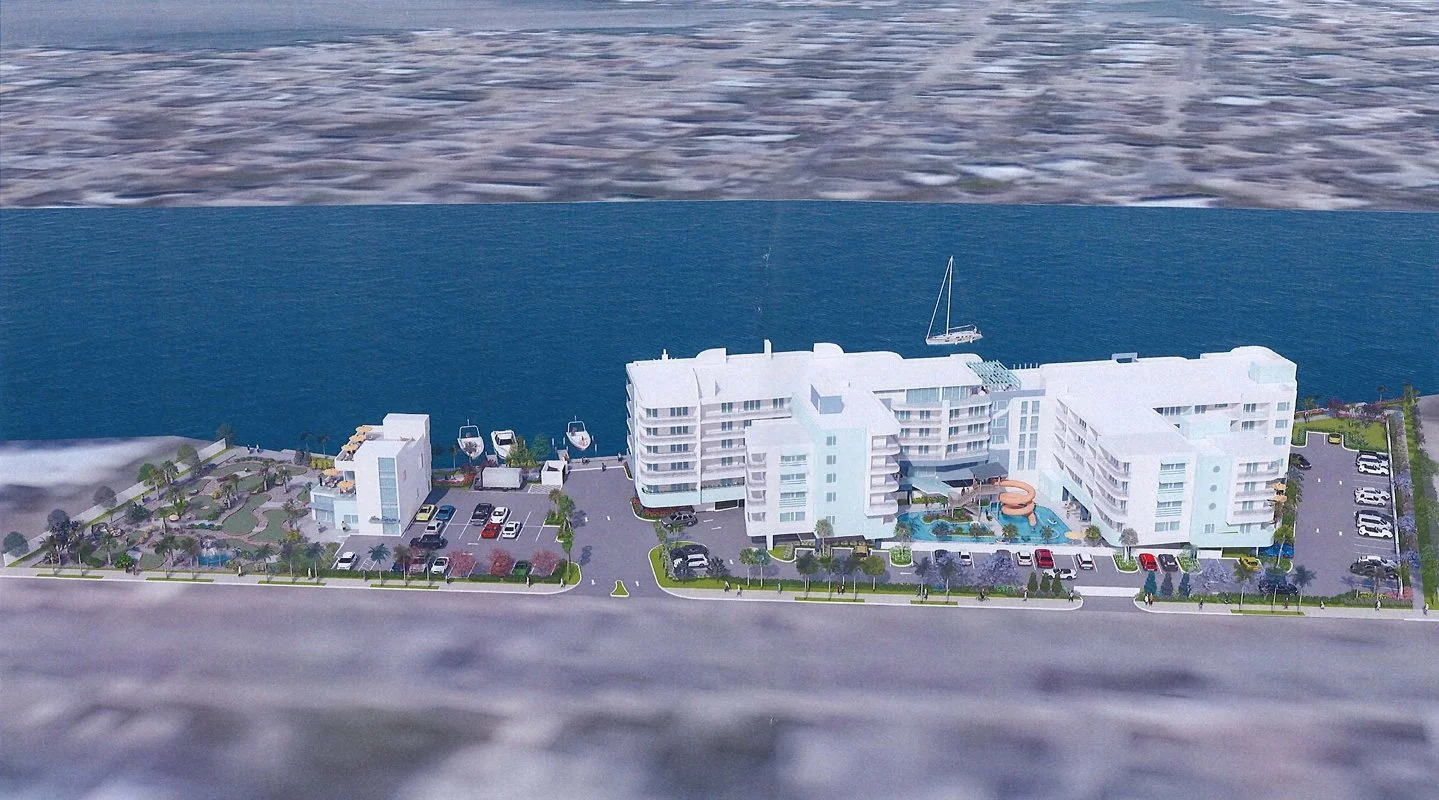
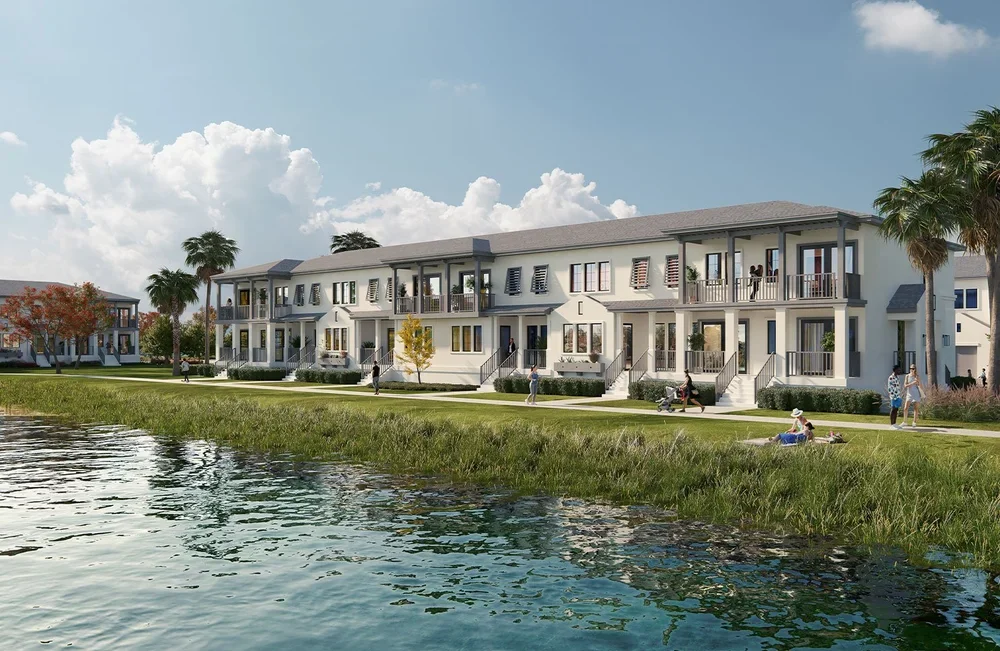
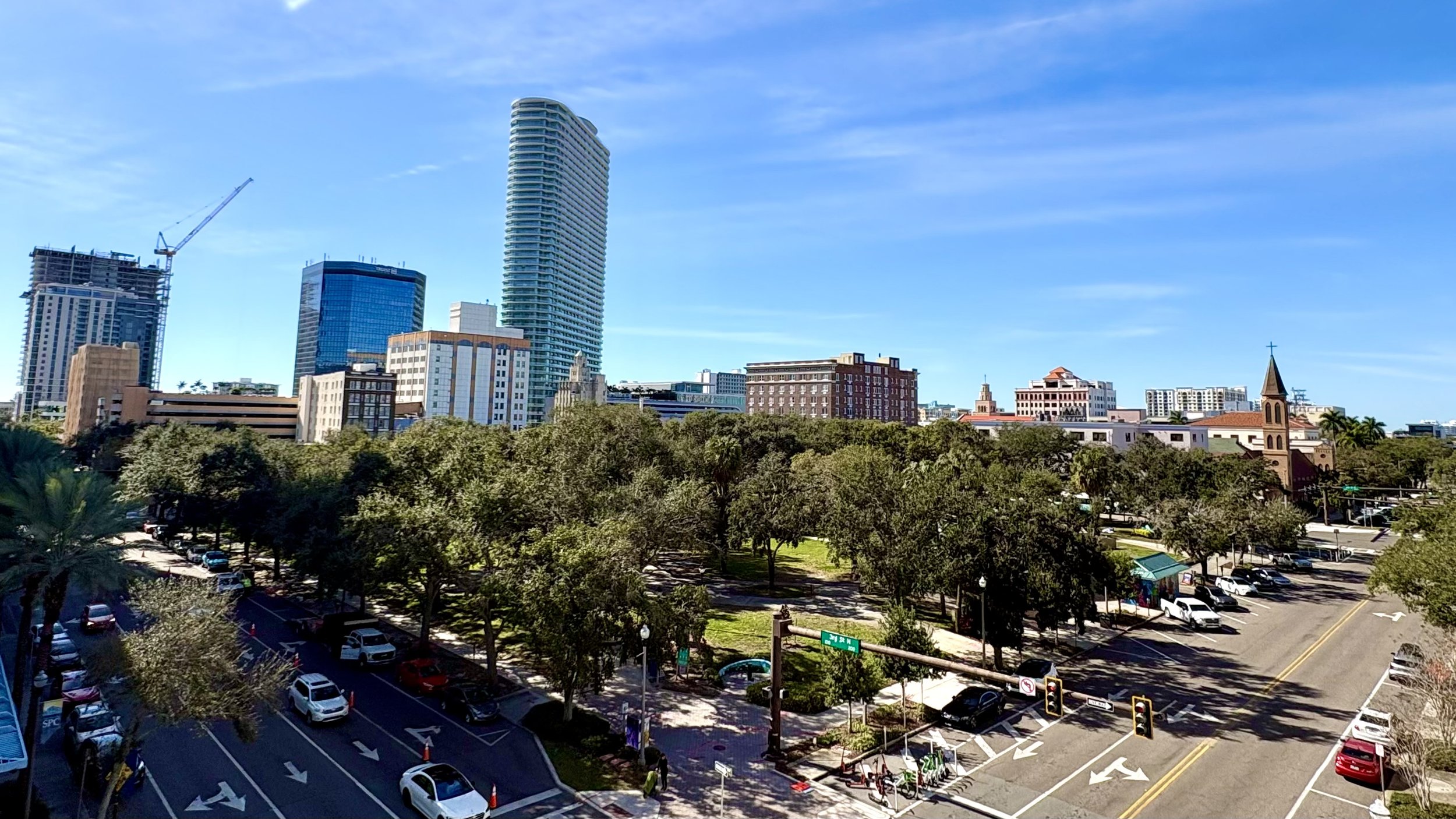
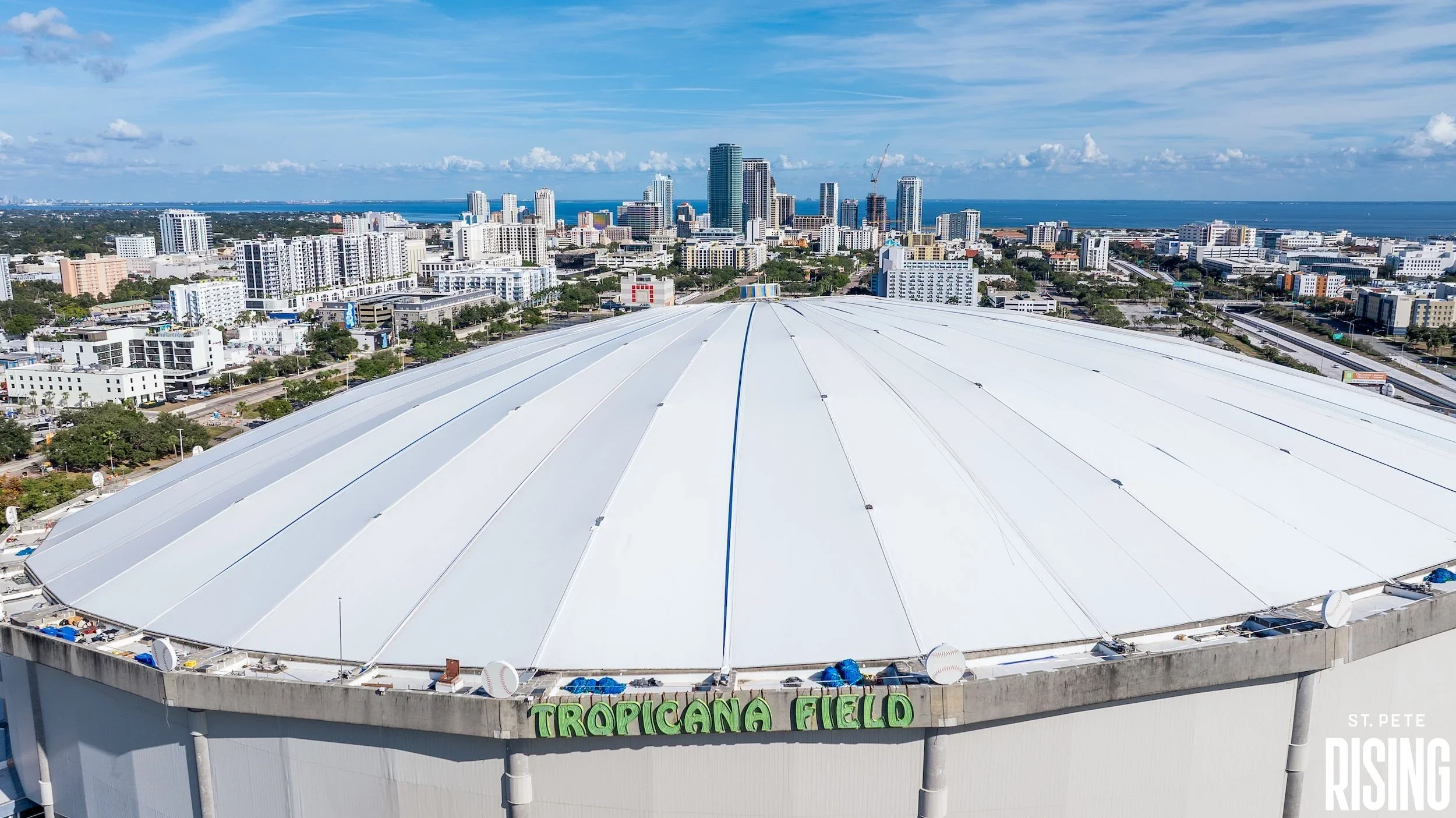
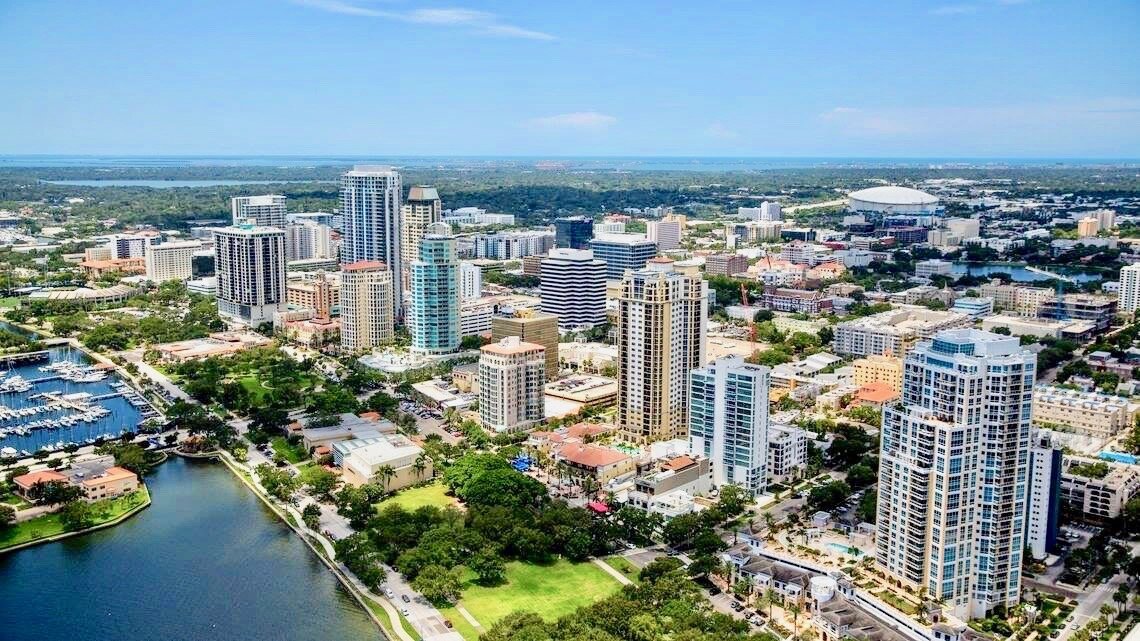
The Innovation District, a 560-acre neighborhood on the southeastern edge of downtown St. Pete, is putting the final touches on a new master plan outlining a long-term vision for growth, including possible zoning updates that could lead to larger mixed-use developments.

The plan, which was presented during an open house on Wednesday night, is meant to be a flexible, long-term framework rather than a rigid set of instructions.

Developed in partnership with the City of St. Pete and Kimley-Horn, the plan emphasizes expanded waterfront access, climate resilience, mixed-use development, and stronger connections to downtown and surrounding neighborhoods.

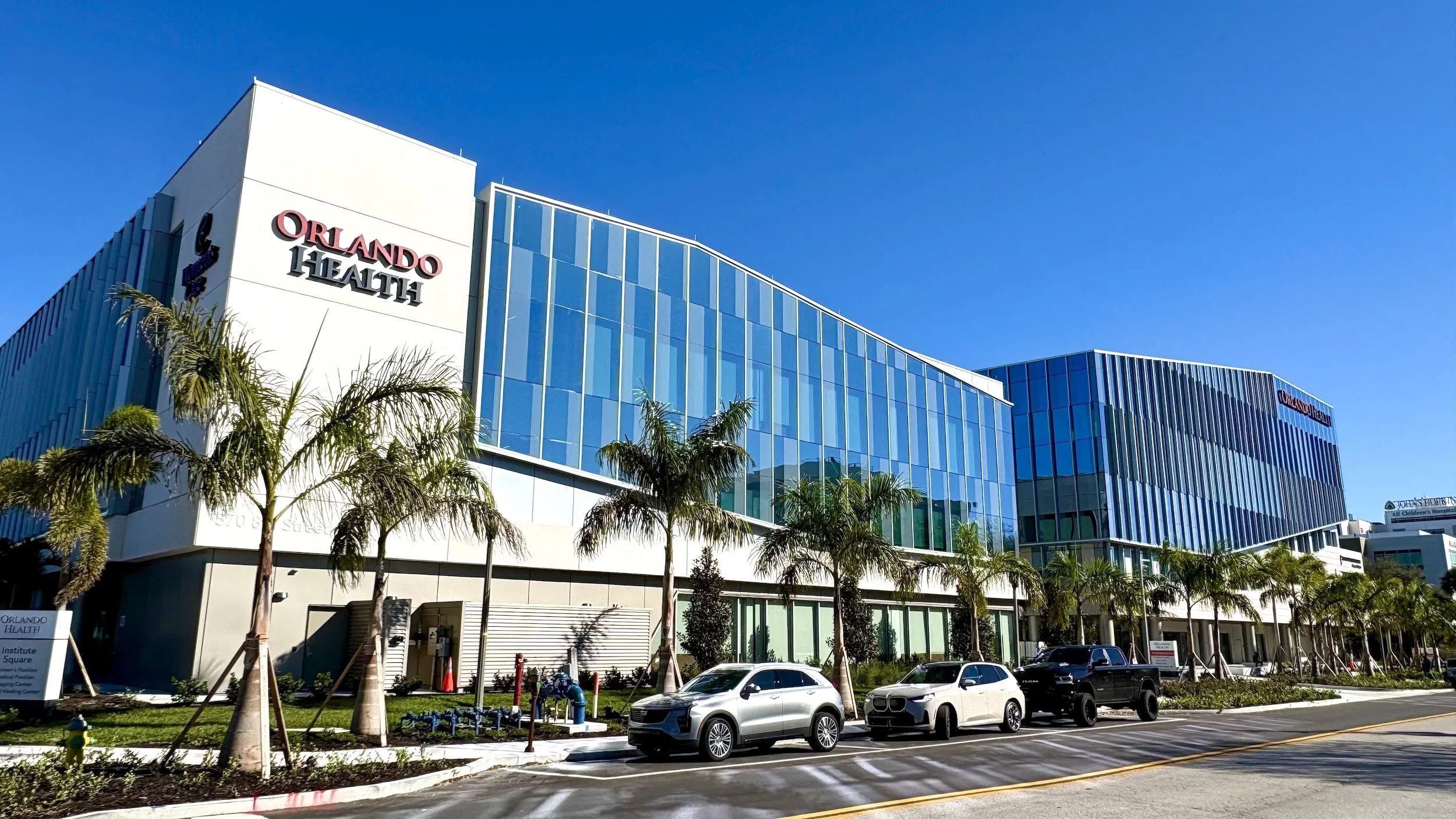
First established in 2016, the Innovation District has become a hub for marine science, healthcare, research, and technology anchored by major institutions including the University of South Florida St. Petersburg, Johns Hopkins All Children’s Hospital, Orlando Health Bayfront Hospital, Port St. Pete, and Albert Whitted Airport.

Read More
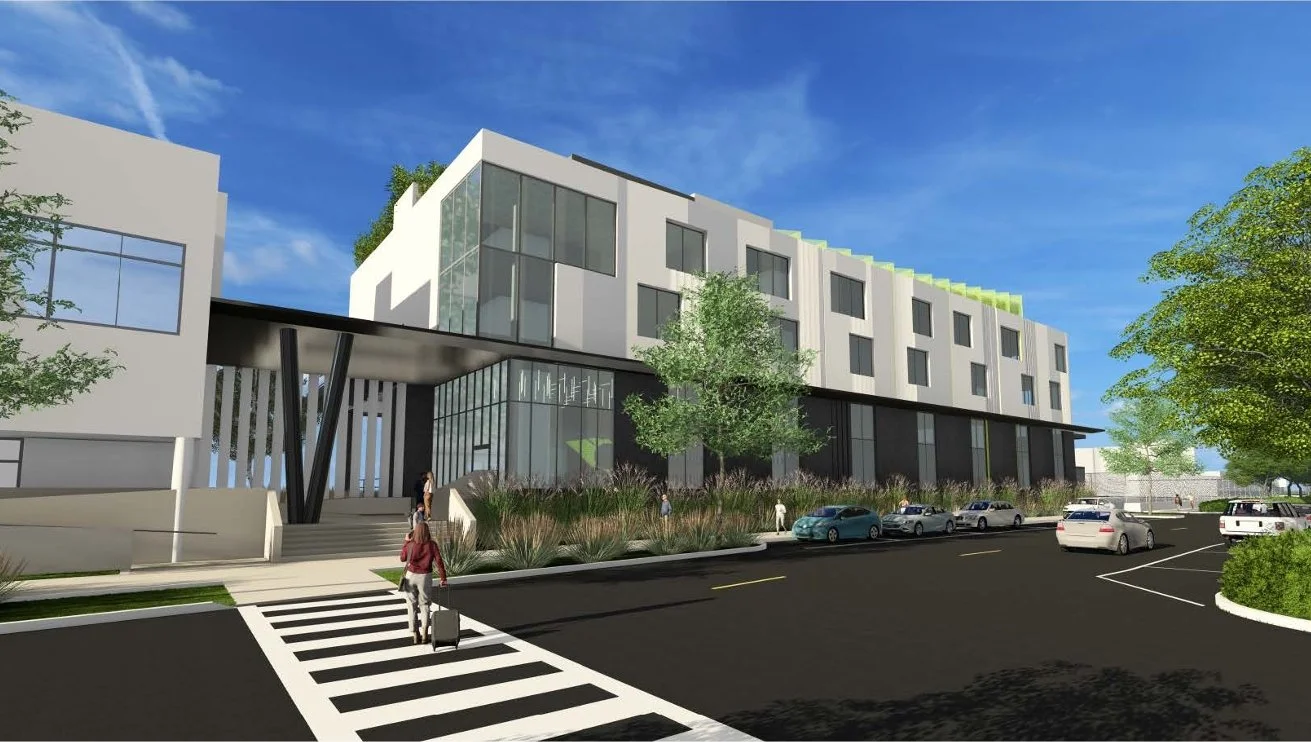
New 52,000-square-foot expansion proposed for St. Pete’s Maritime and Defense Technology Hub

New 52,000-square-foot expansion proposed for St. Pete’s Maritime and Defense Technology Hub

More marine-based startups and private defense firms may soon find a new home along St. Pete’s waterfront.

City and business leaders are spearheading an effort to expand the Maritime and Defense Technology Hub, known locally as The Hub, which opened in 2022 at 450 8th Avenue SE in a city-owned building at the Port of St. Petersburg, just south of Albert Whitted Airport.

The Hub has quickly become a cornerstone for marine science, defense, and technology innovation, now fully occupied by companies such as Saildrone, which deploys autonomous ocean vehicles from St. Pete to map and monitor Florida’s coastal waters, and Pole Star Defense, which uses maritime intelligence technology to track and prevent threats at sea.

Plans for a second facility, dubbed Hub 2.0, call for developing the surface parking lot directly west of the current Hub into a 52,000-square-foot research and collaboration center.

The expansion would provide a home for additional startups, government partners, and academic institutions focused on marine technology, coastal resiliency, and defense innovation.

Read More
World’s largest 3D-printing facility opens in St. Pete, powered by AI and robots

World’s largest 3D-printing facility opens in St. Pete, powered by AI and robots

Inside a 32,000-square-foot industrial facility north of St. Pete’s EDGE District, towering crane-like robots are 3D printing everything from chairs to cold plunge tubs—all using sustainable, recyclable materials.

Haddy, a 3D-printed furniture company powered by artificial intelligence and machine learning, has officially opened its new micro-factory at 251 10th Street North. It is now the largest 3D-printing facility in the world.

"We will have micro-facilities all over the world," said CEO Jay Rogers during the April 10th grand opening, joined by partners from Siemens AG and CEAD, a Netherlands-based tech company revolutionizing large-scale composite manufacturing.

Rogers, a Marine Corps veteran, co-founded Haddy in 2022 with CTO Kyle Rowe. Before relocating, the company operated out of a 20,000-square-foot space in St. Pete’s Warehouse Arts District.


The new facility, formerly home to Mayflower Transit moving company, is owned by Rick Leonard—President of Bradenton-based Sunz Insurance—and Eastman Equity, run by prominent investor Jonathan Daou.

Read More